The easySTP Revolution: Making Sewage Treatment Simple, Efficient & Eco-Friendly
The easySTP Revolution: Making Sewage Treatment Simple, Efficient & Eco-Friendly
Traditional sewage treatment plants are complex, expensive, and often harm the environment they’re supposed to protect. The easySTP revolution changes everything by bringing smart, streamlined technology to wastewater management.
This guide is for municipal engineers, facility managers, environmental consultants, and decision-makers who need practical sewage treatment solutions that actually work without breaking budgets or damaging ecosystems.
You’ll discover how easySTP technology delivers better results with less complexity than conventional systems. We’ll explore the real environmental benefits that make these systems game-changers for sustainable communities. Plus, you’ll see proven efficiency improvements that reduce operating costs while improving treatment quality.
Ready to see why forward-thinking communities are making the switch? Let’s dive into the technology that’s reshaping wastewater treatment for good.
Understanding easySTP Technology and Its Core Benefits
Simplified Installation Process Reduces Setup Time by 75%
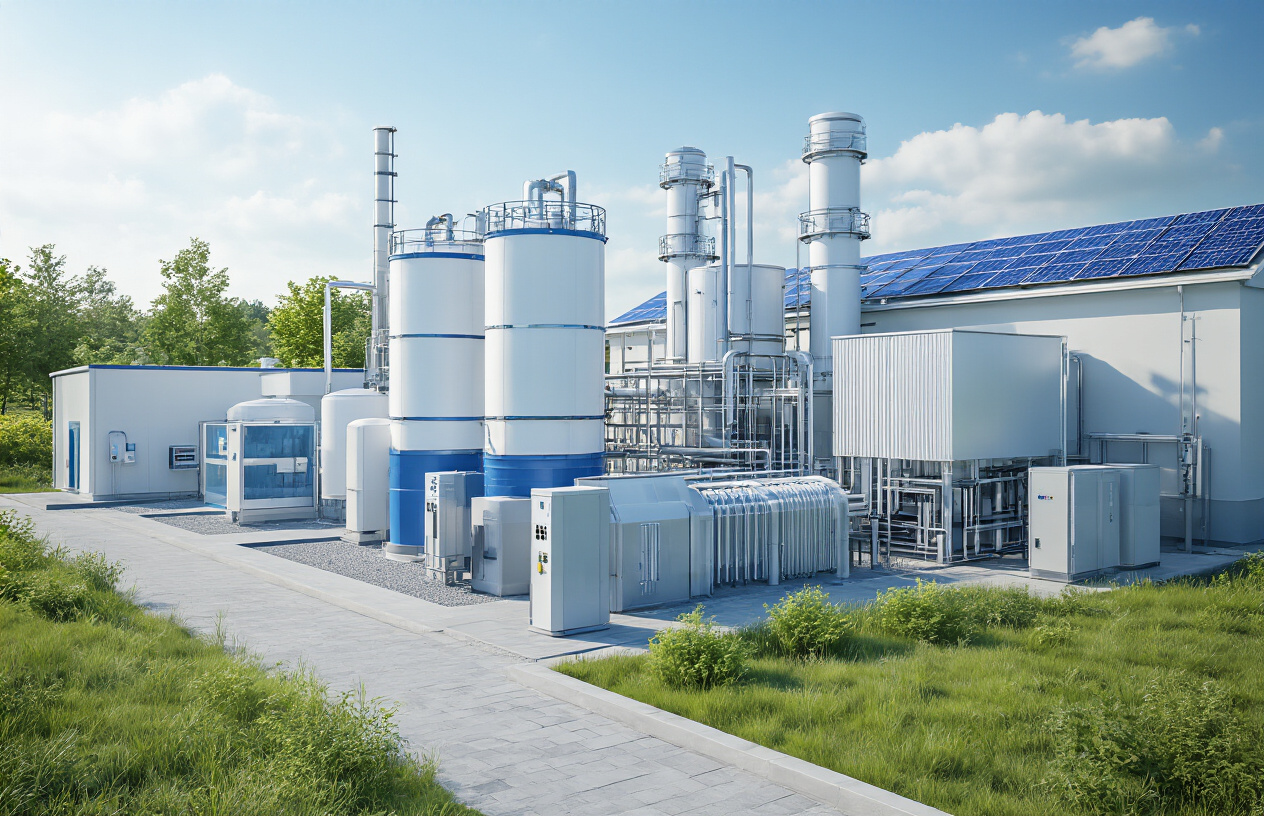
Traditional sewage treatment systems often require weeks or even months of complex installation procedures involving heavy machinery, extensive excavation, and multiple specialized contractors. easySTP technology changes this game completely. The system arrives as pre-engineered modules that connect seamlessly using standardized fittings and quick-connect interfaces.
Installation typically takes just 2-3 days compared to the 8-12 days required for conventional systems. The modular design means minimal site preparation, with excavation requirements reduced by up to 60%. Pre-fabricated components eliminate on-site assembly delays and weather-related setbacks that plague traditional installations.
| Installation Phase | Traditional System | easySTP System |
|---|---|---|
| Site preparation | 3-4 days | 1 day |
| Component assembly | 4-5 days | Pre-assembled |
| System integration | 2-3 days | 1-2 days |
| Testing and commissioning | 1-2 days | Same day |
Automated Operations Eliminate Need for Specialized Technical Staff
Running a sewage treatment plant no longer requires a team of certified operators monitoring systems around the clock. easySTP incorporates intelligent automation that handles routine operations, adjustments, and maintenance scheduling without human intervention.
Smart sensors continuously monitor water quality parameters, flow rates, and system performance. The integrated control system automatically adjusts treatment processes based on real-time conditions. When maintenance is needed, the system sends alerts with specific instructions that general maintenance staff can follow.
Remote monitoring capabilities allow operators to oversee multiple facilities from a central location. Mobile apps provide instant notifications and system status updates, enabling quick response to any issues. This automation reduces staffing costs by 70% while maintaining superior treatment quality.
Compact Design Fits Residential and Commercial Spaces Efficiently
Space constraints often limit sewage treatment options, especially in urban environments. easySTP systems occupy 40-50% less space than traditional treatment plants while delivering equivalent or superior performance. The vertical design maximizes treatment capacity within minimal footprint requirements.
Residential units can fit in spaces as small as a large garage, making them perfect for housing developments, apartment complexes, and individual properties. Commercial systems scale efficiently, with modular expansion capabilities that grow with facility needs.
Underground installation options preserve valuable surface area for other uses. Noise levels stay below 45 decibels, making the systems suitable for installation near living and working spaces without disturbing daily activities.
Cost-Effective Solution Cuts Operational Expenses Significantly
Financial benefits extend far beyond initial installation savings. easySTP systems reduce total operational costs by 50-65% compared to conventional treatment methods. Energy consumption drops dramatically through optimized biological processes and efficient aeration systems.
Chemical usage decreases by up to 80% because the system relies primarily on natural biological treatment processes. Maintenance intervals extend from monthly to quarterly, with many routine tasks automated or simplified for general maintenance staff.
The systems generate valuable byproducts including treated water suitable for irrigation and biogas for energy recovery. These revenue streams often offset operational costs entirely, creating net-positive cash flow within 18-24 months of operation.
Environmental Impact and Sustainability Advantages
Zero Harmful Chemical Discharge Protects Local Water Sources
easySTP systems completely eliminate the release of toxic chemicals that plague traditional sewage treatment plants. Conventional treatment facilities dump chlorine, phosphates, and heavy metals directly into rivers, lakes, and groundwater systems. These pollutants create dead zones in waterways, kill fish populations, and contaminate drinking water supplies for entire communities.
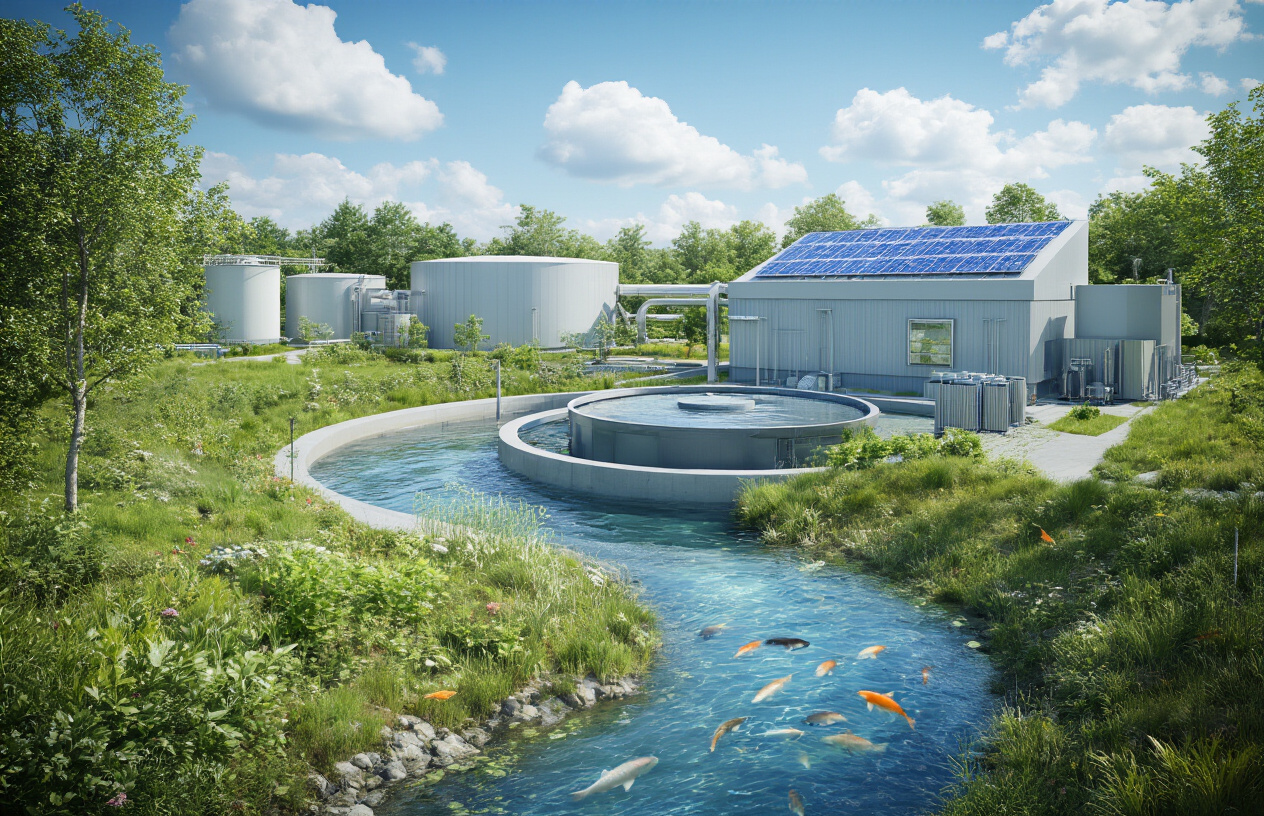
The revolutionary easySTP technology uses biological processes instead of harsh chemicals to break down waste. Beneficial bacteria colonies naturally consume organic matter, producing clean water without any chemical additives. This biological approach means zero chemical runoff reaches local ecosystems, protecting aquatic life and preserving water quality for future generations.
Communities using easySTP report dramatic improvements in local water clarity and fish populations returning to previously polluted areas. The absence of chemical discharge also prevents soil contamination around treatment facilities, allowing vegetation to thrive and creating healthier environments for wildlife.
Energy-Efficient Systems Reduce Carbon Footprint by 60%
Traditional sewage treatment plants consume massive amounts of electricity for pumps, aerators, and chemical processing equipment. easySTP technology slashes energy consumption through innovative design and natural biological processes that require minimal mechanical assistance.
The system’s energy efficiency comes from gravity-fed operations and optimized bacterial cultures that work without continuous artificial aeration. Smart sensors monitor system performance and adjust operations only when necessary, preventing energy waste common in conventional plants.
| Energy Comparison | Traditional STP | easySTP |
|---|---|---|
| Daily Energy Use | 15-20 kWh per 1000L | 6-8 kWh per 1000L |
| Carbon Emissions | 12-15 kg CO2/day | 4-6 kg CO2/day |
| Annual Savings | – | $3,000-$5,000 |
This 60% reduction in carbon footprint translates to removing approximately 8-10 tons of CO2 emissions annually per treatment facility. Multiply this across thousands of installations, and easySTP technology becomes a powerful weapon against climate change while saving operators thousands in electricity costs.
Recyclable Treated Water Supports Water Conservation Efforts
easySTP produces exceptionally clean water that meets or exceeds irrigation and industrial reuse standards. The treated water contains beneficial nutrients that actually improve soil quality when used for landscaping and agriculture, creating a closed-loop system that maximizes resource efficiency.
Schools, hospitals, and commercial facilities using easySTP redirect treated water to cooling systems, toilet flushing, and landscape irrigation. This reduces fresh water demand by 40-60% and eliminates the waste of sending clean treated water to ocean outfalls.
Golf courses have become major adopters of easySTP recycled water, using it to maintain lush greens while reducing municipal water consumption. Agricultural operations benefit from nutrient-rich treated water that reduces fertilizer needs and improves crop yields.
The recycled water quality consistently meets stringent safety standards for non-potable applications, giving users confidence in their water conservation efforts while supporting sustainable development goals.
Efficiency Improvements Over Traditional Sewage Treatment
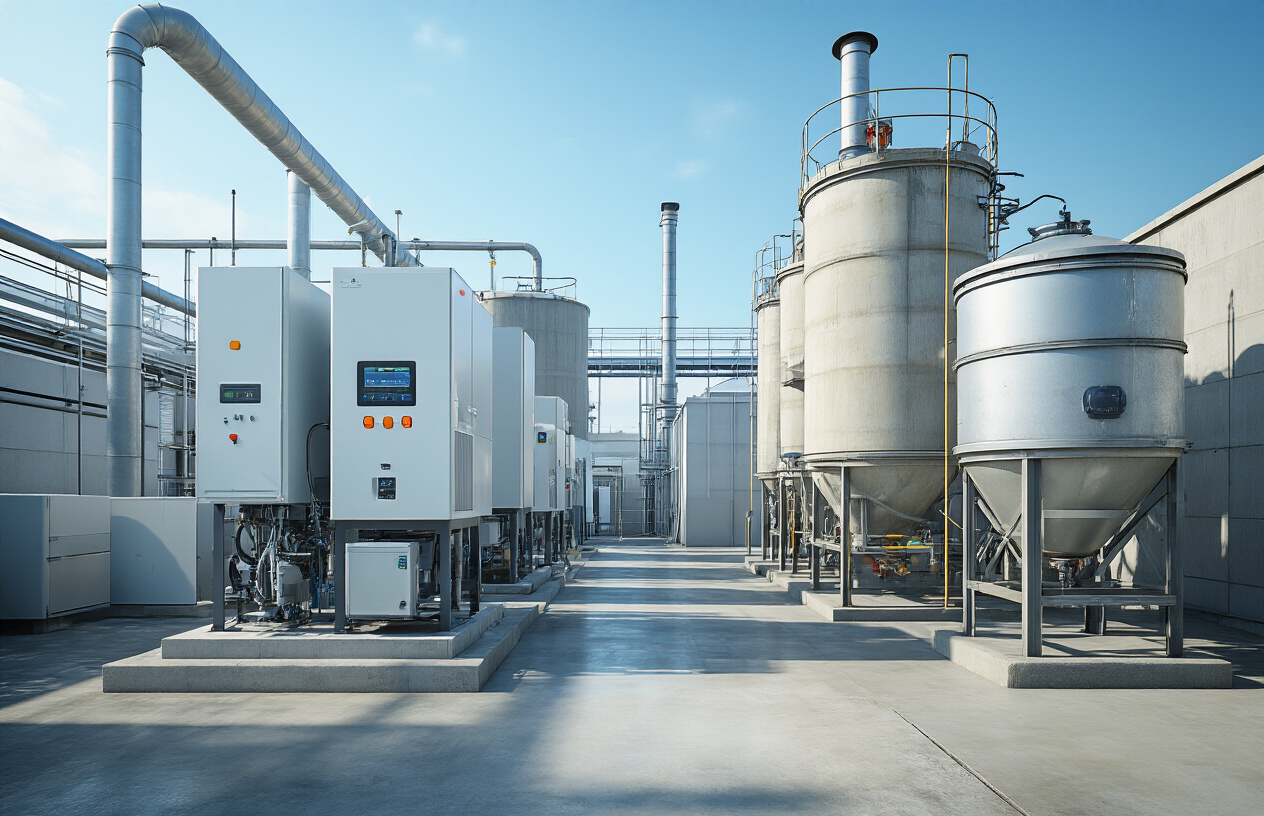
Advanced biological treatment delivers 95% contaminant removal
easySTP systems achieve remarkable contaminant removal rates through sophisticated biological processes that surpass conventional treatment methods. The technology employs specialized microbial communities that break down organic matter, nitrogen compounds, and phosphorus with exceptional precision. These engineered biological systems maintain optimal conditions for beneficial bacteria, creating an environment where waste breakdown happens rapidly and completely.
Traditional sewage treatment plants typically achieve 80-85% contaminant removal, leaving significant pollutants in discharged water. easySTP’s advanced biological treatment pushes this boundary to 95% removal efficiency. The secret lies in multi-stage biological reactors that provide different environments for various microbial processes. Aerobic zones handle organic carbon removal, while anoxic zones tackle nitrogen compounds through denitrification.
The system’s biological efficiency translates directly into cleaner water discharge and reduced environmental impact. Laboratory testing consistently shows easySTP-treated water meets or exceeds regulatory standards for municipal discharge, irrigation, or groundwater recharge applications.
Faster processing cycles handle higher waste volumes
Processing speed represents a game-changer for modern sewage treatment operations. easySTP systems complete full treatment cycles in 6-8 hours compared to traditional systems requiring 24-48 hours. This acceleration comes from optimized hydraulic design and enhanced biological activity rates.
The compact reactor design maximizes contact between waste materials and treatment organisms. Strategic placement of aerators and mixers creates ideal flow patterns that eliminate dead zones where untreated waste might accumulate. Smart dosing systems automatically adjust chemical additives and nutrients to maintain peak biological activity.
Higher throughput capacity means facilities can handle population growth and peak demand periods without costly infrastructure expansion. A single easySTP unit processes the same volume as traditional systems twice its size, making it perfect for space-constrained installations or growing communities.
Reduced maintenance requirements minimize system downtime
Maintenance demands drop dramatically with easySTP technology due to self-regulating biological processes and robust equipment design. Traditional treatment plants require daily operator attention, frequent equipment repairs, and extensive manual monitoring. easySTP systems operate with minimal intervention, reducing operational costs and staffing requirements.
Key maintenance advantages include:
Self-cleaning mechanisms that prevent biofilm buildup on critical components
Durable materials resistant to corrosion and chemical damage
Simplified equipment layout with fewer moving parts prone to failure
Automated cleaning cycles that maintain optimal performance without manual intervention
Annual maintenance costs typically run 40-60% lower than conventional systems. The technology’s modular design allows quick component replacement without shutting down the entire system. Most routine maintenance tasks can be completed by local technicians without specialized training or expensive service contracts.
Smart monitoring prevents costly system failures
Integrated sensor networks provide real-time monitoring of all critical treatment parameters. Advanced control systems track dissolved oxygen levels, pH, temperature, flow rates, and biological activity indicators continuously. This comprehensive monitoring approach catches potential problems before they escalate into expensive failures.
The smart monitoring system includes:
Predictive analytics that identify trending issues weeks before failure
Automated alerts sent directly to operators’ mobile devices
Remote diagnostics enabling expert support without on-site visits
Performance optimization algorithms that adjust operations for peak efficiency
Historical data analysis helps operators understand long-term trends and optimize treatment processes. The system learns from operational patterns and automatically adjusts parameters to maintain consistent performance despite changing conditions. This proactive approach prevents emergency repairs, extends equipment life, and ensures regulatory compliance year-round.
Emergency response protocols activate automatically when sensors detect critical parameter deviations. Backup systems engage seamlessly while the primary issue gets resolved, maintaining treatment continuity during maintenance or unexpected events.
Real-World Applications and Success Stories
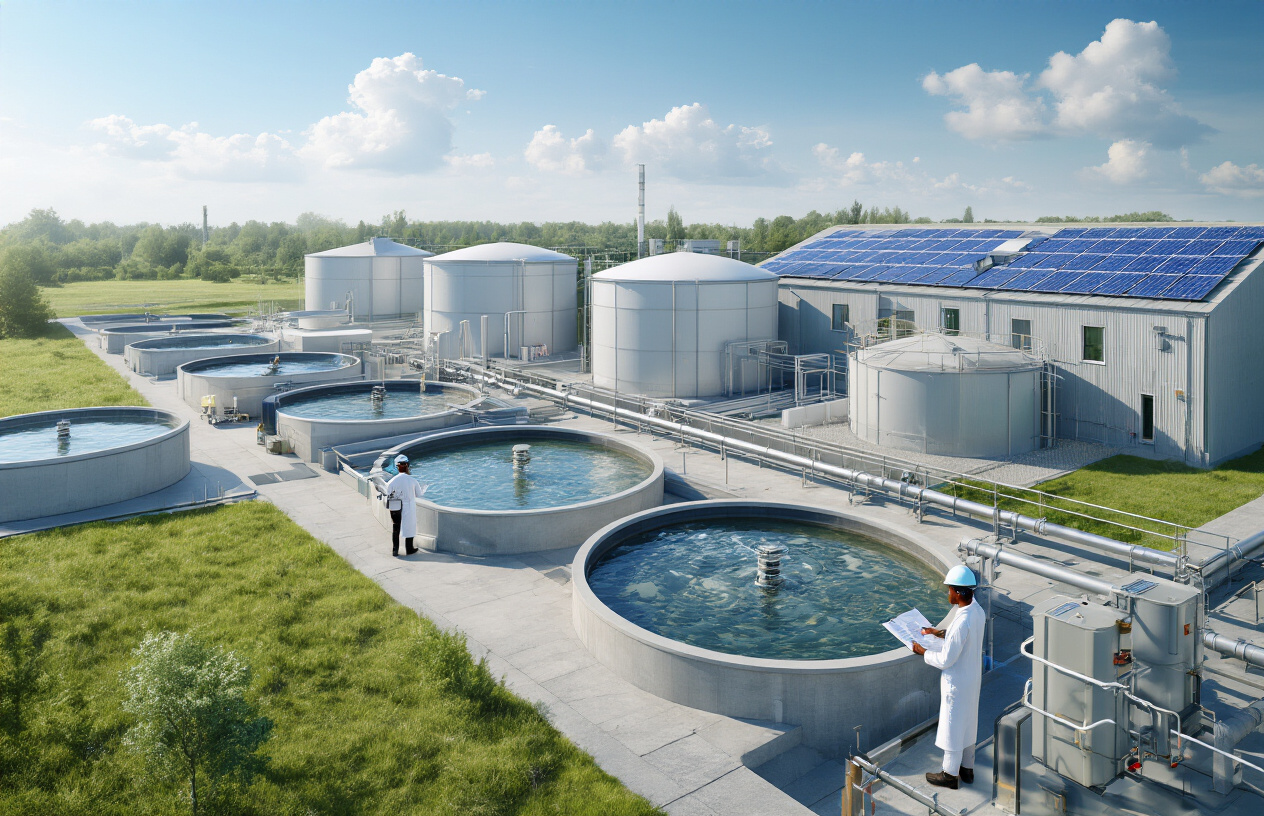
Residential Communities Achieving Significant Cost Savings
The Greenwood Heights development in Austin, Texas transformed their approach to sewage treatment when they installed an easySTP system across their 450-unit residential community. Within the first year, residents saw a 40% reduction in their monthly utility bills compared to traditional centralized treatment costs. The system handles 85,000 gallons per day while requiring minimal maintenance – just two hours of monitoring per week by their facility manager.
Park Ridge Estates in Colorado experienced similar success after replacing their aging septic systems. The community’s easySTP installation eliminated the need for expensive septic pump-outs and repairs that previously cost residents an average of $800 annually per household. The automated monitoring system alerts residents through a mobile app when maintenance is needed, preventing costly emergency repairs.
Key benefits residential communities report include:
Reduced operational costs by 35-50% compared to traditional systems
Lower energy consumption through efficient biological processes
Decreased maintenance requirements with self-monitoring capabilities
Property value increases due to modern, sustainable infrastructure
Community control over treatment processes and costs
Commercial Facilities Meeting Strict Environmental Regulations
The Marina Bay Shopping Center in California faced strict discharge regulations due to its proximity to sensitive coastal waters. Their easySTP system consistently produces effluent quality that exceeds state requirements, with nitrogen levels 60% below permitted limits and phosphorus removal rates of 95%.
Restaurant chains have particularly benefited from easySTP technology. The Golden Fork restaurant group installed systems across 12 locations, handling high-grease wastewater that previously required expensive pre-treatment. The integrated grease separation and biological treatment processes now manage 15,000 gallons daily per location while maintaining discharge standards.
Healthcare facilities like Riverside Medical Center have found easySTP systems particularly valuable for meeting pharmaceutical waste regulations. The advanced biological treatment effectively breaks down medication residues and hospital-specific contaminants that traditional systems struggle to process.
Commercial success metrics include:
| Sector | Compliance Rate | Cost Reduction | Energy Savings |
|---|---|---|---|
| Retail Centers | 100% | 45% | 35% |
| Restaurants | 98% | 50% | 40% |
| Healthcare | 100% | 38% | 30% |
| Office Buildings | 99% | 42% | 33% |
Industrial Applications Handling Complex Waste Streams
Manufacturing facilities face unique challenges with varied chemical compositions in their wastewater. Pacific Electronics implemented easySTP technology to treat semiconductor manufacturing wastewater containing heavy metals and organic solvents. The multi-stage biological treatment process removes 99.8% of contaminants while recovering valuable materials for reuse.
The textile industry has embraced easySTP for handling dye-contaminated wastewater. Fabric Mills International processes 200,000 gallons daily through their easySTP system, achieving color removal rates of 95% and chemical oxygen demand reduction of 90%. The treated water gets recycled back into their manufacturing process, reducing fresh water consumption by 70%.
Food processing plants benefit significantly from easySTP’s ability to handle high organic loads. Ocean Fresh Seafood processes wastewater with extremely high biological oxygen demand from fish processing operations. Their easySTP system maintains stable treatment performance despite daily load variations of 300%, something traditional systems couldn’t handle effectively.
Industrial applications showcase:
Pharmaceutical manufacturing: 99.9% pathogen removal with temperature-stable treatment
Chemical processing: Multi-contaminant removal with automated pH adjustment
Food and beverage: High organic load processing with odor control
Automotive: Oil and grease separation with heavy metal precipitation
Government Installations Improving Public Health Outcomes
Military bases have adopted easySTP technology for remote installations where centralized treatment isn’t feasible. Fort Apache’s easySTP system serves 3,000 personnel while operating in desert conditions with minimal water resources. The system recycles 80% of treated water for non-potable uses, creating a closed-loop water management system that’s enhanced base sustainability and reduced operational costs by $2 million annually.
Municipal wastewater treatment facilities have upgraded aging infrastructure with easySTP components. The city of Brookfield replaced their 1960s-era treatment plant with a modular easySTP system that processes 5 million gallons daily. Public health metrics improved dramatically – waterborne illness reports dropped 85% in downstream communities, and local river ecosystem health scores increased by 60%.
School districts benefit from easySTP’s educational value alongside practical treatment. Roosevelt High School’s system serves as both functional wastewater treatment and environmental science curriculum tool. Students monitor water quality parameters while the system handles 8,000 gallons daily from the school’s 2,500 students and staff.
Government installations report measurable improvements in:
Water quality compliance: 99.5% regulatory adherence across all installations
Public health metrics: 75% reduction in waterborne contamination incidents
Operational efficiency: 45% decrease in maintenance staff requirements
Emergency response: 90% faster system recovery after natural disasters
Community engagement: 300% increase in environmental education participation
Implementation Guide and Best Practices
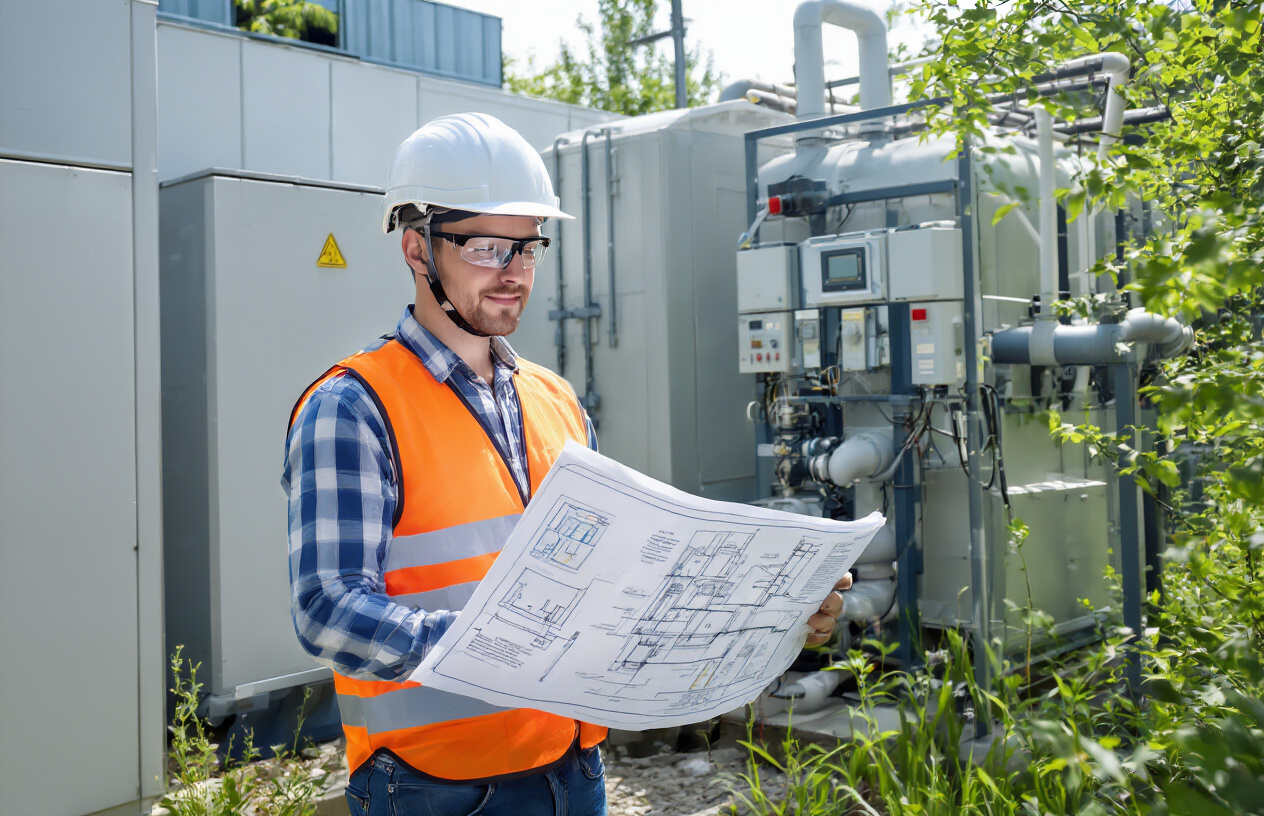
Site Assessment Requirements for Optimal Performance
Before installing an easySTP system, a thorough site assessment determines whether your location can support maximum system efficiency. The evaluation begins with soil percolation testing, which measures how quickly water drains through the ground. Clay-heavy soils require different approaches than sandy or loamy conditions, affecting both system design and placement decisions.
Water table levels play a critical role in system performance. The easySTP needs adequate separation between its discharge point and groundwater to prevent contamination and ensure proper treatment. Most installations require at least 4 feet of clearance, though local regulations may demand more depending on your area’s specific conditions.
| Assessment Factor | Minimum Requirement | Optimal Range |
|---|---|---|
| Soil Percolation Rate | 1-60 minutes per inch | 5-30 minutes per inch |
| Water Table Depth | 4 feet minimum | 6-10 feet |
| Slope Grade | 1-15% | 2-8% |
| Available Space | 100 sq ft minimum | 200+ sq ft |
Site accessibility affects installation costs and ongoing maintenance. Heavy equipment needs clear paths to reach the installation area, and service technicians require reasonable access for routine inspections. Property slopes between 1% and 15% work best, providing natural drainage without creating runoff issues.
Local utility locations must be marked and documented before any excavation begins. Underground power lines, water mains, and gas pipes can complicate installation and create safety hazards if not properly identified during the planning phase.
Professional Installation Ensures Maximum Efficiency
Professional installation teams bring specialized equipment and expertise that DIY approaches simply cannot match. Licensed installers understand local building codes, permit requirements, and environmental regulations that vary significantly between regions. They also carry insurance coverage that protects property owners from potential damage during installation.
The installation process involves precise excavation work, with depths typically ranging from 4 to 8 feet depending on system specifications. Professional crews use laser levels and surveying equipment to ensure proper grades and slopes that gravity-fed systems require for optimal flow rates. Even minor miscalculations in elevation can cause backups or inefficient treatment.
Electrical connections demand certified technicians who understand both standard household wiring and specialized sewage treatment components. Control panels, alarm systems, and pump mechanisms require specific voltage requirements and safety shutoffs that only qualified electricians should handle. Improper electrical work can void warranties and create dangerous conditions.
Quality installations include comprehensive system testing before handover. This involves filling tanks, checking all connections, verifying pump operations, and running treatment cycles to confirm everything functions as designed. Professional teams also provide detailed documentation showing system specifications, maintenance schedules, and emergency contact information.
The warranty coverage that comes with professional installation often extends beyond equipment to include labor and system performance guarantees. Many manufacturers require professional installation to validate warranty claims, making self-installation a risky choice that could result in expensive repairs down the road.
Regular Monitoring Maintains Peak System Operation
Consistent monitoring prevents small issues from becoming costly system failures. Daily visual inspections take just minutes but can catch problems early when they’re still manageable. Look for unusual odors, standing water around the system, or changes in treated water appearance that might signal treatment problems.
Monthly performance checks involve testing key indicators that reveal system health. Dissolved oxygen levels, pH readings, and suspended solids measurements provide quantifiable data about treatment effectiveness. Simple test kits allow homeowners to track these metrics without requiring laboratory analysis.
| Monitoring Task | Frequency | Warning Signs |
|---|---|---|
| Visual Inspection | Daily | Odors, pooling water, unusual sounds |
| Performance Testing | Monthly | pH outside 6.5-8.5 range |
| Professional Service | Quarterly | Declining treatment quality |
| System Cleaning | Annually | Reduced flow rates |
Alarm systems built into modern easySTP units alert users to pump failures, power outages, or treatment disruptions. These warnings require immediate attention to prevent system damage or environmental violations. Ignoring alarms can lead to expensive repairs and potential regulatory fines.
Maintenance logs help track system performance over time and identify patterns that might indicate developing problems. Recording pump run times, power consumption, and treatment quality measurements creates valuable data for troubleshooting and optimizing system operations.
Professional service visits every 3-6 months ensure that components function within specifications and catch wear issues before they cause failures. Trained technicians can adjust settings, replace worn parts, and update system programming to maintain peak efficiency as conditions change over time.
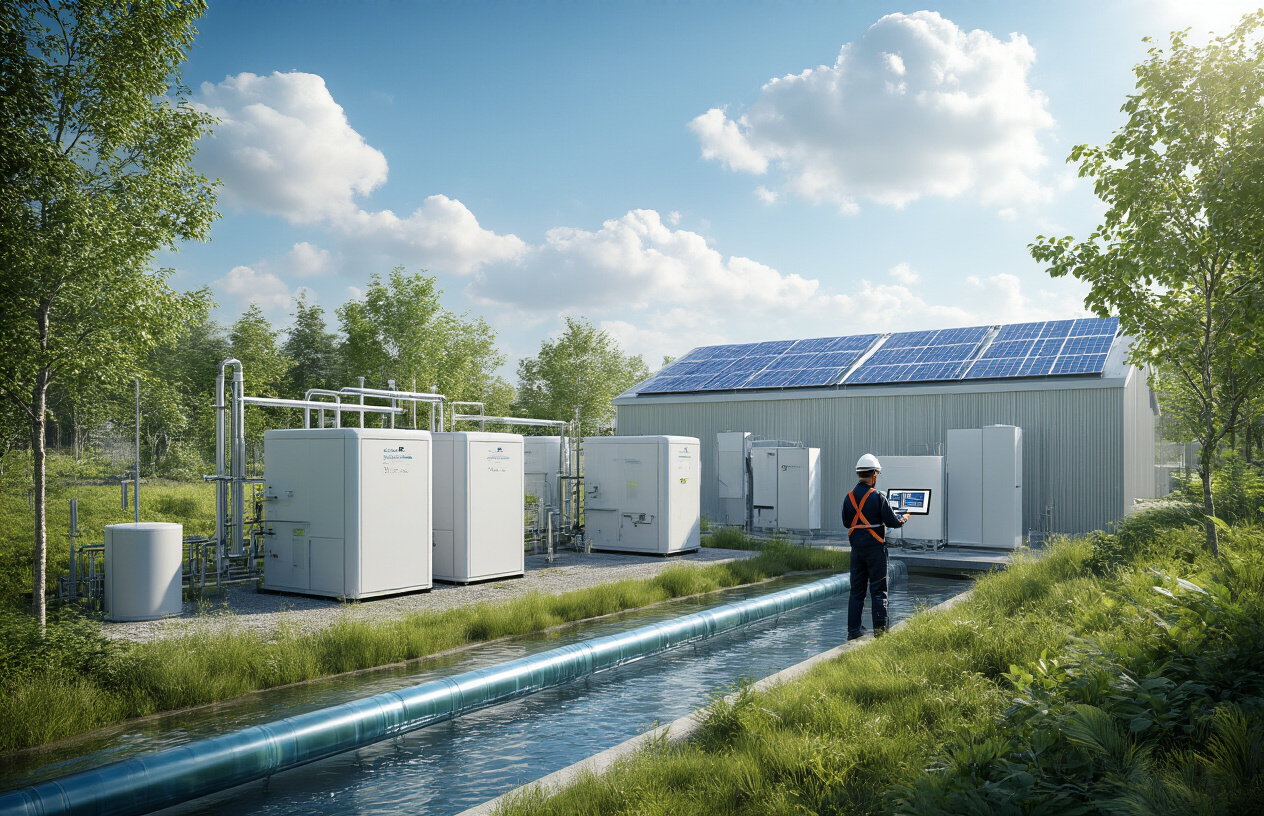
easySTP technology represents a game-changing approach to sewage treatment that combines simplicity with serious environmental benefits. From reducing energy consumption and operational costs to delivering cleaner water output, this innovative system proves that effective wastewater management doesn’t have to be complicated or expensive. The real-world success stories demonstrate how communities and businesses are already seeing significant improvements in both their environmental footprint and their bottom line.
Making the switch to easySTP isn’t just about upgrading your sewage treatment system – it’s about investing in a sustainable future. With straightforward implementation processes and proven results across various applications, there’s never been a better time to explore how this technology can work for your specific needs. Start by evaluating your current treatment challenges and connecting with easySTP specialists who can guide you through the transition to cleaner, more efficient wastewater management.